Why Ongoing Hearing Aid Maintenance Matters for Long-Term Clarity
You don’t always notice when something isn’t working quite as

By: admin | June 25, 2026
The oilfield doesn’t stop for weather, and neither does anyone who works around it. Early mornings, long shifts outside, the kind of physical work that leaves you soaked through before lunch.
Hearing aids weren’t exactly designed with that lifestyle in mind. For many people in the Permian Basin, keeping their devices working through a long day is something they learn as they go.
The warmer season makes it more complicated. The heat comes on fast out here, and even people who aren’t working outdoors are dealing with warmer temperatures and more activity than they had a few months ago.
Hearing aids sit against your skin all day, and your skin sweats. It’s not a complicated problem, but it does require a little attention, especially as temperatures start to climb toward what passes for normal around Odessa and Midland by June.
Spring can be a frustrating time for hearing aids. The weather changes quickly, and conditions that were not an issue a few months ago can suddenly start affecting how your devices perform.
A cool morning followed by a much warmer afternoon can create condensation inside the hearing aid. Spring also tends to bring more humidity, rain and time spent outdoors. Over time, those conditions can start to affect sound quality and battery performance.
You might notice weaker sound, shorter battery life or hearing aids that do not seem to work as consistently as they normally do. In some cases, enough buildup inside the device can cause it to cut out temporarily until it has a chance to dry.
In some cases, excessive water buildup can cause the hearing aid to cut out until it dries.
When sweat or humid air gets inside a hearing aid, it can affect the small parts that help the device process sound and stay powered. A few areas tend to be more sensitive than others:
If you’ve looked at hearing aid specifications, you’ve probably seen a rating like IP68 and wondered what it actually means.
IP stands for Ingress Protection, a standard that measures how well a device resists dust and moisture. The first number indicates protection against solid particles, like dust, while the second indicates water resistance.
It’s important to remember that water-resistant and waterproof are not the same thing. Most hearing aids can handle routine moisture exposure, including sweat, humidity and light rain. That doesn’t mean they’re designed to be worn in the pool or submerged.
An IP68 rating is one of the highest levels of protection you’ll find in hearing aids today. While that’s reassuring, these ratings are based on controlled testing conditions. Real life is a little messier.
Sweat, humidity, hair products and everyday wear can all put stress on the protective seals over time, which is why regular cleaning and proper care still matter, even with highly water-resistant devices.
A hearing aid that has been exposed to moisture does not always stop working immediately. Most often, you’ll notice small inconsistencies before a larger problem develops.
Look out for these common indicators that moisture is trapped inside your devices:
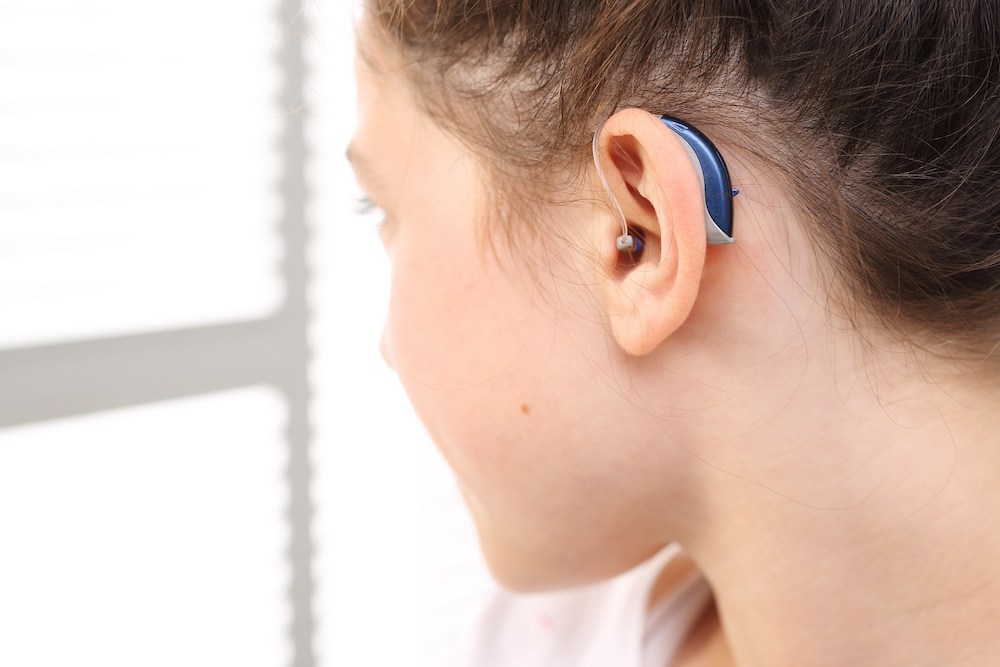
The specific style of your hearing aids plays a large role in how they handle seasonal weather shifts. Behind-the-ear (BTE) models, including receiver-in-canal choices, sit directly against the skin of your scalp.
This placement exposes them to sweat that naturally collects along the hairline during outdoor yard work or afternoon walks. The casing can easily absorb this moisture throughout a warm day, leading to sudden drops in sound performance.
Custom styles that fit entirely inside the ear, like in-the-ear (ITE) or completely-in-canal (CIC) models, offer a different set of advantages and challenges.
These smaller devices get a natural shield from the physical shape of your outer ear, which helps block direct rain and dripping sweat. However, they are highly vulnerable to the natural humidity that gets trapped deep inside your ear canal.
Without proper ventilation, this body heat and dampness can build up and affect how well the device functions during your daily activities.
Spring days in Midland can change quickly. You might start the morning in a light jacket and find yourself sweating by the afternoon, especially if you’re working outside, tackling projects around the house or spending time in the yard.
That combination of sweat, heat and West Texas dust can be hard on hearing aids. Moisture gives dust and debris something to stick to, and over time that buildup can collect around microphones, vents and other small openings.
Wearing a hat, using hearing aid covers or giving your devices a quick wipe at the end of the day can help keep dust and moisture from building up. If you’ve spent hours outside, a little extra attention before bed can help your hearing aids sound clearer the next day.
For people who spend a lot of time outdoors, sweat sleeves can provide an extra layer of protection. These covers fit over BTE hearing aids and help keep sweat away from the device.
These covers help absorb sweat and rain before moisture reaches your hearing aids. They’re designed to protect the device without getting in the way of sound.
Taking care of your devices at night is just as important as protecting them during the day. While passive silica gel cups draw out some surface moisture, electronic dehumidifiers offer a much more thorough solution.
These electronic boxes use gentle heat and circulating air to pull deeply trapped condensation out from the internal parts while you sleep.
Setting aside a few minutes each night to clean your hearing aids can prevent many common performance issues. Developing this habit helps remove the sweat and moisture that collects during a busy spring day.
You can follow these simple steps every evening to keep your hearing aids working:
Even with good habits, hearing aids sometimes get wet. If that happens, remove them from your ears and turn them off as soon as possible. If your devices use disposable batteries, open the battery compartment and remove the batteries.
Gently dry the outside with a soft cloth, then place the hearing aids in a drying kit or dehumidifier overnight. Avoid using hair dryers, microwaves or other heat sources, as excessive heat can damage delicate components.
If your hearing aids still aren’t working properly after they’ve dried, it may be time to reach out to your audiologist. Persistent static, muffled sound or battery issues can all be signs that moisture has caused a deeper problem.
Your audiologist can inspect your hearing aids, check for damage and recommend solutions to help get them working properly again.
Summer in West Texas is coming whether your hearing aids are ready for it or not.
The habits that protect your devices through spring are the same ones that carry you through July and August. Building them now is a lot easier than dealing with a moisture-related breakdown when the temperatures are really pushing it.
If you have questions about caring for your hearing aids or want to have them checked out before the season gets serious, Audio Acoustics Hearing Centers is easy to reach. Call the Midland location at (432) 400-3319 or Odessa at (432) 360-2019.
Tags: hearing aid basics, hearing aid repair, hearing aid styles
You don’t always notice when something isn’t working quite as
By: admin | July 26, 2026
The oilfield doesn’t stop for weather, and neither does anyone who
By: admin | June 25, 2026
Your day doesn’t happen in one consistent listening environment. You
By: admin | January 19, 2026