You don’t always notice when something isn’t working quite as well as it used to. After months of dust, heat and daily use, small changes tend to blend into the routine.

Hearing aids are no different. They rarely stop working all at once.

Instead, conversations lose a little clarity, the television gets turned up another notch and you adapt without thinking much about the devices themselves.

That slow decline is one reason regular maintenance often gets overlooked. Earwax, moisture and the dust that’s part of daily life across West Texas can collect inside a hearing aid and affect how it performs long before it stops working.

Since those happen little by little, it’s easy to assume your hearing has changed instead of the device. A hearing aid that sounded crisp six months ago may not sound the same today, even though it still turns on every morning.

How Earwax and Moisture Can Change What You Hear

A small amount of earwax near the microphone or receiver changes what reaches your ears. Speech may lose some of its crispness, softer sounds may become harder to hear and certain words may not sound as distinct.

Television dialogue may seem flatter than it used to, even though the volume hasn’t changed. Because earwax builds up, those affects often happen so slowly that the hearing aid still seems to be working.

It’s easy to blame the room, the speaker or your hearing before thinking about buildup inside the device. Moisture affects hearing in a different way.

Sweat, humidity and rain may interfere with the electronics or block tiny openings that carry sound. One moment everything sounds normal, and the next the volume drops, the sound cuts out or voices lose their clarity.

They may come and go as the moisture dries, which makes the cause harder to recognize. Even when your device turns on and responds to the controls, moisture inside the device may still change what you hear.

Effects of Everyday Use on Hearing Aid Performance

Every time you put your hearing aids in or take them out, they go through a little more wear. Buttons are pressed, charging contacts connect and disconnect and small parts move thousands of times over the course of a year.

Domes, wax filters and tubing don’t stay in the same condition forever. As those parts wear, speech may lose some of its sharpness, volume may change or one hearing aid may begin sounding different from the other.

Regular use also leaves behind tiny amounts of dust, skin oils and pocket lint. Those materials may collect around microphone openings, controls and other small parts that are exposed throughout the day.

A device may still turn on and respond to the controls while sounding different than it did when those parts were clean.

The changes are usually subtle at first, which is why they’re easy to overlook until you compare the sound with how it performed when they were newer.

Reasons Your Hearing Aids May Lose Sound Quality

Several factors can change how your hearing aids sound, even when they still power on and respond normally. If you’ve noticed a difference, one of these may be contributing:

    • Programming that no longer matches changes in your hearing.
    • Receivers or speakers that have begun to wear from years of use.
    • A loose battery door or charging connection that interrupts power.
    • An earmold or dome that no longer fits the way it did when it was new.
    • Physical damage from being dropped or bumped during use.
    • Software or firmware that needs to be updated on compatible hearing aids.’

How a Proper Fit Supports Long-Term Clarity

Speech may lose some of its sharpness, lower tones may seem weaker and feedback may become more noticeable. A loose dome or earmold may also shift as you talk, chew or move your jaw, changing what you hear throughout the day.

A secure fit keeps the receiver and ear canal in the same position each time you put your hearing aids on. That consistency becomes more important over the years because your ears and the parts you wear don’t stay the same.

A dome or earmold that once fit well may no longer seal the ear the same way. Even a small change in fit can change how your hearing aids sound without any changes to the programming.

Signs Your Hearing Aids Need Maintenance or Repairs

Changes in performance don’t always mean it’s time to replace your hearing aids. A few problems often point to a need for maintenance, an adjustment or a repair:

    • Sound cuts in and out during normal use.
    • One hearing aid sounds quieter than the other.
    • Whistling or feedback starts even though the fit hasn’t changed.
    • Buttons, volume controls or rechargeable functions stop responding consistently.
    • The battery drains much faster than it used to.
    • Cracks, loose parts or damage appear on the casing or earmold.

Checking and Changing Batteries for Dependable Wear

Checking the battery level regularly keeps power loss from interfering with what you hear. For disposable batteries, clean contacts and a secure battery door also matter.

Rechargeable models need the same attention in a different form. Charging points should stay clean, and the devices need enough time in the charger each night.

Batteries also lose capacity with age, so shorter wear time may signal that replacement is due. Keeping the power source in good condition supports steadier sound from morning through the end of the day.

Inspecting Small Parts Like Tubing and Domes Regularly

Tubing and domes take a lot of wear because they sit close to the ear and move every time you insert or remove the device. Tubing may stiffen, crack or change color, while domes may loosen or lose their shape.

Even small changes can alter how sound reaches your ear. You may notice lower volume, less detail in speech or feedback that wasn’t there before.

A quick inspection every few days can catch worn parts before they begin affecting what you hear. Check for splits, flattened areas, loose connections or a dome that no longer sits securely.

Replacing worn parts keeps the fit the way it was intended and protects the sound you’re used to. It also reduces the chance of mistaking a worn component for a change in your hearing.

Knowing When to Schedule Professional Device Cleanings

A device may still turn on even when buildup inside has started changing what you hear. Home care removes much of the surface debris, but it doesn’t reach every opening or internal component.

After months of daily use, a deeper cleaning removes material that gradually collects in places you can’t safely access yourself. Professional cleanings also give your audiologist a chance to inspect the receiver, microphones, filters and other small parts while everything is apart.

Worn components can be replaced, connections checked and the overall condition of the device evaluated. Regular appointments help keep the sound closer to what you heard when everything was clean and working as intended.

Safe Storage Habits to Protect Your Hearing Aids

A few storage habits can prevent unnecessary wear between uses. Like where you set your hearing aids at the end of the day.

These can include:

    • Put them in the same place every night so they’re less likely to be misplaced.
    • Avoid leaving them on a bathroom sink where they can be knocked into the water or down the drain.
    • Keep them out of pants or jacket pockets where they can go through the washing machine.
    • Don’t leave them on a bedside table where they can be brushed onto the floor overnight.
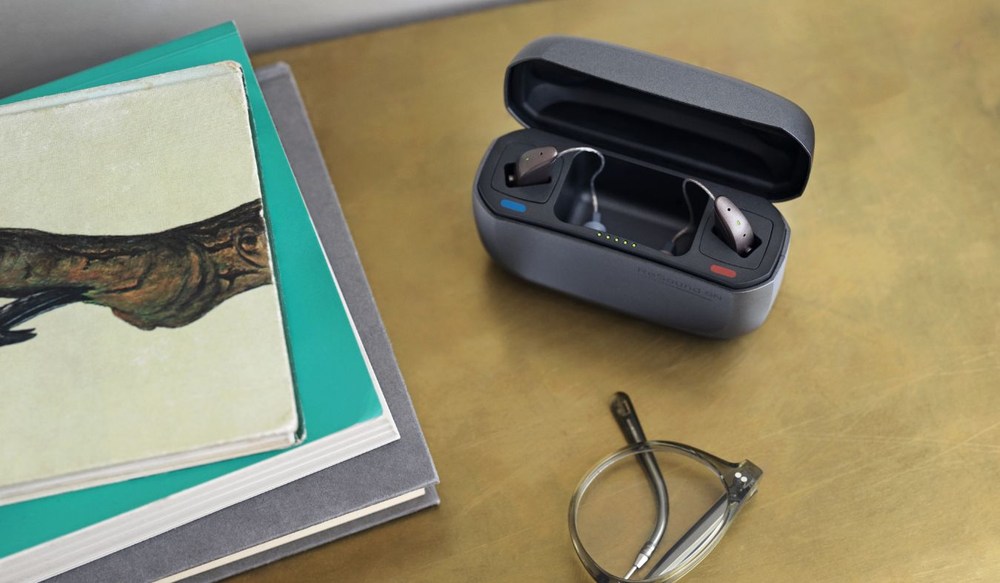
    • Store the left and right devices in their designated spots so they don’t get mixed up.
    • Check the storage case occasionally for dust, lint or other debris that can transfer back onto the devices.

Keeping Your Hearing Aids Clear and Reliable for Years to Come

Regular maintenance keeps small problems from changing the way your hearing aids sound. It gives you a better chance of getting the performance you expected when they were first fitted.

When something doesn’t sound quite right, it doesn’t always mean it’s time to replace your hearing aids. A thorough cleaning, a worn part or a simple adjustment may be all that’s needed.

At Audio Acoustics Hearing Centers in Texas, we’ll check how everything is performing and explain what we find. To schedule a maintenance appointment, call our Midland office at (432) 400-3319 or our Odessa office at (432) 360-2019.