How Smart Hearing Aids Automatically Adjust to Your Environment
Your day doesn’t happen in one consistent listening environment. You


By: admin | November 18, 2025
As the seasons shift and temperatures drop, many people start to think about their health in new ways. The arrival of fall, with its cooler weather and shorter days, often serves as a reminder to pay attention to important aspects of well-being, including hearing. While regular hearing check-ups may not always be top of mind, they play a key role in supporting comfort, safety and connection throughout daily life.
A fall hearing health check-up can reveal changes that may have developed over time. Early detection of hearing loss helps you manage communication and social activities with greater ease. Taking time for a simple appointment each year can bring lasting benefits, helping you feel more prepared for the season ahead.
You may notice that conversations seem less clear, especially in busy places. Turning up the TV or radio more often than before can also be a sign that your hearing has changed. Friends or family might mention that you often ask them to repeat themselves.
Some people find it harder to follow group conversations or hear the phone ring. Missing everyday sounds, like windchimes or doorbells, may signal a change in hearing. Feeling tired after talking with others can also be linked to listening more carefully than before.
These changes often develop slowly and may not be obvious right away. Noticing these signs helps you keep track of changes in your hearing over time. Regular check-ups with the audiologist help you stay on top of any changes.
Fall offers a natural point to evaluate your health and notice any changes that may have developed over the year. The shift in seasons encourages reflection, and many people find that their routines settle into a more predictable pattern after the busyness of summer. With cooler weather, you may spend more time indoors, which makes it easier to notice issues related to hearing, energy levels or overall wellness.
Checking in on your health during this season allows you to address small concerns before the holiday months, when schedules can become even more demanding. It also gives you the chance to plan ahead for upcoming events, gatherings and travel, making it easier to manage your health while staying active and involved.
Reviewing your current health status now can help you make informed decisions, whether it’s scheduling appointments, updating care routines or adjusting daily habits, giving you a clearer picture of your well-being as the year comes to a close.
Hearing health affects how smoothly your day-to-day life runs. When you can hear well, it’s easier to follow conversations, enjoy activities with others and respond quickly in different situations. Struggling to hear can be tiring and mentally draining, even when you’re trying your best to keep up with what’s happening around you.
Your hearing also influences mental sharpness and overall awareness. Clear hearing helps your brain process information more efficiently and prevents the extra effort it takes to interpret muffled sounds.
When hearing loss isn’t addressed, it can lead to frustration, stress or the tendency to step back from social or work situations. Focusing on hearing health gives you the chance to stay alert, keep up with daily routines and feel more in tune with your environment.
Noticing changes in your hearing early can make a big difference in how easily you follow conversations and stay aware of your surroundings. Paying attention to common signs can help you decide when it’s time for a professional check-up.
Signs to watch for include:
Cooler weather can have a noticeable impact on your ears. Cold air can dry or irritate the ear canal, while hats, earmuffs or damp conditions can trap moisture around the ears. These factors may contribute to itching, a feeling of fullness or mild ear infections for some people, especially if exposure is frequent.
Changes in ear sensation during fall and winter are worth noting so you can respond appropriately. Adjusting how you dry your ears after outdoor activity, allowing ventilation when possible and monitoring for unusual pain or discharge can reduce the risk of problems. Maintaining regular care and observation during colder months helps keep your ears healthy and functioning normally as the seasons change.
Detecting hearing loss early makes it easier to manage conversations and stay connected with others. When changes are found sooner, you have more options for support and can maintain your comfort and quality of life.
Waiting too long to address hearing changes can make daily tasks and social activities more difficult. Early check-ups give your audiologist the chance to help you find solutions that fit your needs.
Untreated hearing loss can make daily life more difficult in ways you might not expect. Conversations with friends and family can become frustrating, and social gatherings may feel less enjoyable.
You may also miss important sounds, like alarms or someone calling your name from another room. To help manage these changes, try using written notes for reminders at home and choose quieter places for group conversations when possible.
Regular check-ups with your audiologist help track any changes in your hearing from year to year. These appointments give you a clear picture of how your hearing may be changing over time.
Knowing about changes early can make it easier to manage conversations at work, home or in social settings. You may also feel more confident knowing that you are keeping up with your hearing health. Regular check-ups help you and your audiologist notice even small changes, so you can address them before they start to affect daily life.
Fall allergies and colds are common during the cooler months and can directly affect how your ears work. Allergies or a cold can cause swelling or mucus buildup in the nose and throat, which may block the tubes connecting your ears to your throat.
This blockage can cause pressure in the middle ear, making sounds seem muffled or causing a feeling of fullness in the ears. Ear pressure can be uncomfortable and sometimes even painful. Using over-the-counter allergy medicines or decongestants as directed by your healthcare provider may help reduce swelling and relieve pressure, improving hearing comfort during allergy season or when you have a cold.
As days become shorter and darker, safety concerns can increase for people with hearing loss. Less daylight makes it harder to see hazards, while reduced hearing may affect your ability to notice warning sounds or approaching vehicles.
Clear hearing helps you notice things like traffic, alarms or someone calling out in low-light conditions. Using extra lighting at home and being careful when walking outside at dusk can help reduce risks. Wearing reflective clothing or carrying a flashlight also makes it easier for others to see you in the dark.
Family gatherings often bring together lots of people in one space, creating a mix of overlapping conversations, background music and movement that can make understanding speech challenging if your hearing isn’t at its best. Even familiar voices can blend together, making it difficult to catch jokes, share stories or respond in real time.
Sharing how you hear best with your family can make a big difference. You might let them know to speak clearly, take turns talking or get your attention before starting a conversation. Small adjustments like positioning yourself where you can see faces clearly or asking for brief pauses when multiple people are speaking can help reduce strain and make interactions more enjoyable for everyone.
A fall hearing health check-up appointment typically begins with a conversation about your hearing experiences over the past year. Your audiologist will ask about changes you may have noticed, like difficulty understanding conversations, ringing in the ears or needing to increase the volume on the television.
This discussion helps guide the rest of the appointment and ensures your concerns are addressed. It also provides an opportunity to review any hearing aids you may already use and discuss how they have been performing.
Next, the appointment usually involves a thorough evaluation of your hearing. This can include a series of tests to measure how well you hear different pitches and volumes. Your audiologist may also check for earwax buildup, ear canal health or other factors that can influence hearing. Understanding the results of these tests allows your audiologist to identify any changes in your hearing and make informed recommendations for care.
Your audiologist will review the findings with you and discuss any next steps. This may include minor adjustments to hearing aids, recommendations for protection against seasonal changes or guidance on when a follow-up appointment might be needed. Fall check-ups provide a timely opportunity to address changes early and maintain consistent hearing support through the coming months.
Preparing for your visit with a hearing specialist can help you feel more at ease and make the most of your appointment. Bring a list of questions or notes about changes you have noticed in your hearing.
Write down any medicines you take and consider bringing a family member or friend. Another person may notice things you might miss, and they can help remember information shared during the appointment.
Scheduling a fall hearing health check-up ensures you have a clear picture of how your ears are performing and gives you a chance to address any concerns before they become more noticeable. These appointments are not just about identifying issues. They provide guidance, adjustments and reassurance so you can continue your daily routines without disruption. Checking in annually allows you to notice changes, make informed decisions about care and maintain a level of hearing that supports your lifestyle throughout the year.
If you haven’t had a hearing evaluation recently, now is a good time to schedule one. Audio Acoustics Hearing Centers in Texas offers appointments in Midland at (432) 400-3319 or Odessa at (432) 360-2019 to help you assess your hearing and discuss next steps. A seasonal check-up helps you stay aware of changes, address concerns promptly and maintain consistent support for your hearing as the year moves forward.
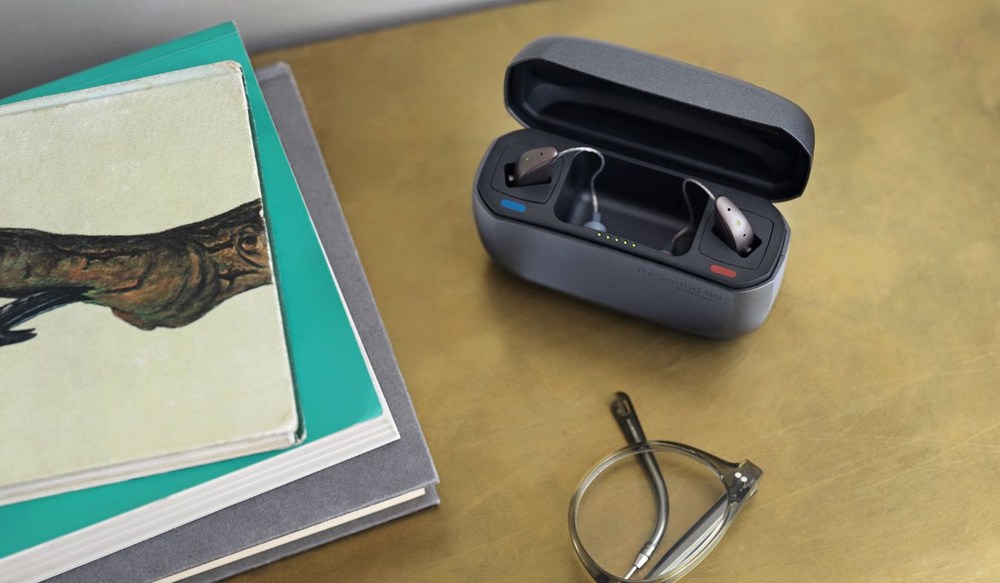
Your day doesn’t happen in one consistent listening environment. You
By: admin | January 19, 2026
As the seasons shift and temperatures drop, many people start to think
By: admin | November 18, 2025

Your hearing aids are pretty impressive pieces of technology, but they
By: admin | September 24, 2025